Root Canal Therapy in Marlborough, MA
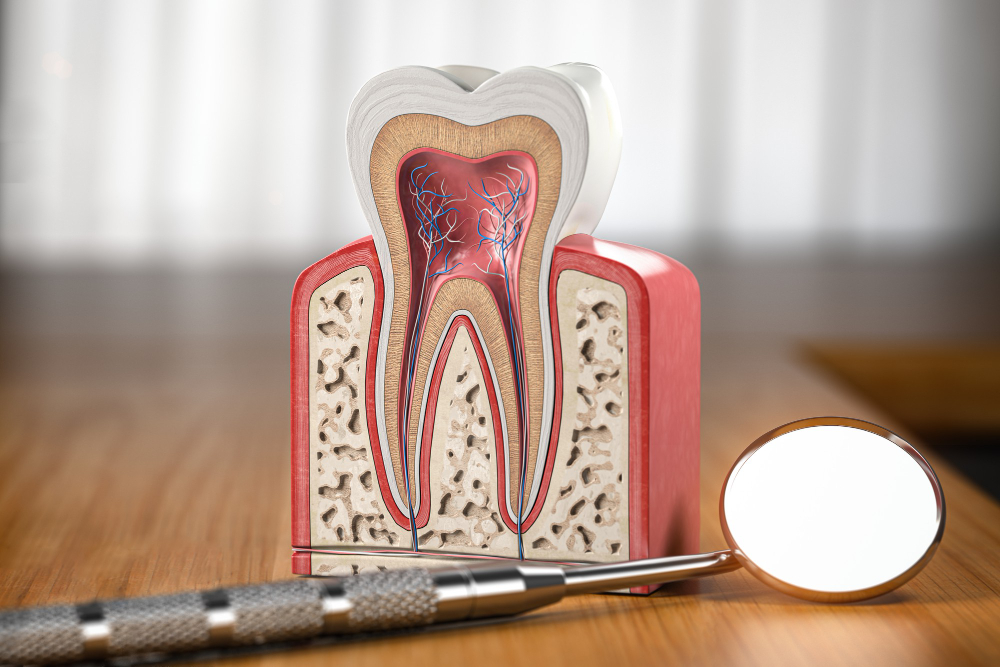
A root canal is a restorative treatment designed to save a tooth that has become infected deep inside. When decay and bacteria go untreated for too long, they eventually reach the soft pulp at the center of the tooth, which contains the nerves and blood vessels. Because the pulp is so sensitive, this kind of infection often causes significant pain. Since the damage occurs inside the tooth, you may not see it, but you can feel it through persistent discomfort, along with other warning signs like bleeding, swelling, and bad breath. At Marlborough Dental Studio, Dr. Vanessa Newton uses gentle techniques to relieve your pain and protect your natural smile. Call (508) 481-3663 today.
Request an AppointmentWhy a Root Canal May Be Necessary
Root canal therapy becomes necessary when the innermost layer of your tooth, the pulp, becomes inflamed or infected. This can happen as a result of deep decay, a cracked or chipped tooth, repeated dental procedures on the same tooth, or trauma to the face. Left untreated, the infection can spread, leading to an abscess, bone loss, and ultimately the loss of the tooth. By addressing the problem early, we can remove the infection, save the tooth, and restore comfortable function so you can eat and smile with confidence.
Signs You May Need a Root Canal
Many patients are surprised to learn that the discomfort they have been ignoring could be a sign of an infected tooth. Common symptoms that warrant an evaluation include:
- Persistent or severe tooth pain, especially when chewing
- Prolonged sensitivity to hot or cold temperatures
- Swelling or tenderness in the nearby gums
- Darkening or discoloration of the tooth
- A recurring pimple-like bump on the gums
- Bad breath or an unpleasant taste that won’t go away
If you notice any of these symptoms, we encourage you to contact us promptly so we can examine the tooth and recommend the right treatment.
What to Expect During Treatment
The procedure begins with a thorough examination, often including digital imaging, to assess the extent of the infection. After numbing the area for your comfort, the infected pulp is carefully removed, and the inside of the tooth is cleaned, disinfected, and sealed. In many cases, a dental crown is placed afterward to restore strength and protect the treated tooth for years to come. Thanks to modern dentistry, most patients find the experience comfortable and report immediate relief from the pain that brought them in.
Protecting Your Smile After a Root Canal
Once your tooth has been treated, maintaining good oral hygiene is key to keeping it healthy. Brushing twice a day, flossing daily, and keeping up with routine cleanings and exams all help prevent future problems. A treated tooth can last a lifetime with proper care. If you are experiencing tooth pain or suspect you may need a root canal, reach out to Marlborough Dental Studio today and let our caring team restore your comfort and confidence.
Frequently Asked Questions
Is a root canal painful?
Modern root canal therapy is far more comfortable than its reputation suggests. The area is fully numbed beforehand, and most patients compare the experience to having a routine filling. In fact, the procedure relieves the pain caused by the infection rather than creating it.
How long does a root canal take?
Most root canals can be completed in one or two visits, depending on the tooth and the severity of the infection. Each appointment typically lasts between 60 and 90 minutes.
Will I need a crown after my root canal?
In many cases, yes. A crown helps protect and strengthen the treated tooth, especially for back teeth that handle a lot of chewing pressure. Dr. Newton will let you know if a crown is recommended for your situation.
What happens if I don’t get a needed root canal?
Ignoring an infected tooth allows the infection to spread, which can lead to an abscess, bone loss, and eventual loss of the tooth. Treating the problem early gives you the best chance of saving your natural tooth.
How long does a treated tooth last?
With good oral hygiene and regular dental visits, a tooth that has had a root canal can last a lifetime. Caring for it just like your other natural teeth is the best way to protect your investment.
Are there alternatives to a root canal?
The main alternative is extraction, followed by a replacement option such as an implant or bridge. However, saving your natural tooth with a root canal is almost always the preferred choice, as nothing functions quite like your own tooth.