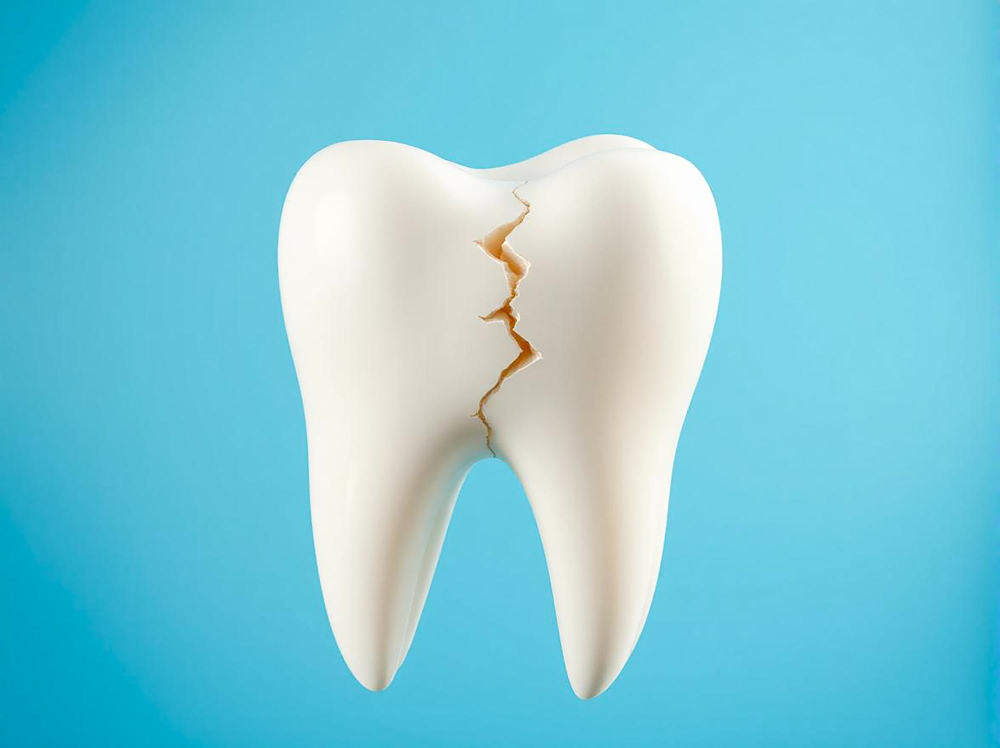
Cracked Tooth Repair in Marlborough, MA
A cracked tooth can cause a range of frustrating symptoms, including pain while chewing, sensitivity to hot and cold temperatures, and discomfort when you release biting pressure. Because this pain often comes and goes, a cracked tooth can be surprisingly difficult to diagnose on your own. As you chew, the cracked pieces of the tooth shift, irritating the soft pulp inside. When you release the pressure, the crack closes quickly, producing a sharp jolt of pain. Left untreated, the pulp can become damaged, leading to constant discomfort. At Marlborough Dental Studio, Dr. Vanessa Newton can identify and treat the problem before it worsens. Call (508) 481-3663 today.
Request an AppointmentWhy Cracked Teeth Need Prompt Attention
A crack in a tooth may seem minor, but it can quickly lead to serious complications if ignored. Once the protective enamel is compromised, bacteria can reach the inner pulp tissue, causing infection that may spread to the surrounding bone and gums. What begins as occasional sensitivity can develop into persistent pain, swelling, and the potential loss of the tooth. Seeking treatment early gives us the best chance to save the tooth and prevent the need for more extensive procedures down the road.
Common Types of Tooth Cracks
Not all cracks are the same, and each type requires careful evaluation to determine the right course of treatment. Some cracks affect only the outer enamel, while others extend deeper toward the root. Common types include craze lines, which are tiny surface cracks that are usually harmless; fractured cusps, which occur around a filling; cracks that extend from the chewing surface toward the root; and split teeth, where the tooth separates into distinct segments. Dr. Newton will examine your tooth thoroughly to identify the type and severity of the crack before recommending treatment.
Treatment Options for a Cracked Tooth
The right treatment depends on the location and extent of the crack. Minor cracks may be repaired with dental bonding or a filling, while more significant damage often calls for a crown to protect and strengthen the tooth. If the crack has reached the pulp, a root canal may be necessary to remove the infection and save the tooth. In cases where the tooth cannot be saved, extraction followed by a replacement option may be recommended. We will walk you through every option so you can make a confident, informed decision.
Relief and Repair at Marlborough Dental Studio
If you suspect you have a cracked tooth, don’t wait for the pain to become unbearable. The sooner we evaluate the tooth, the more likely we are to preserve it and spare you discomfort. At Marlborough Dental Studio, we combine modern technology with gentle, personalized care to repair cracked teeth and restore your comfort. Contact us today to schedule your appointment and protect your smile.
Frequently Asked Questions
How do I know if I have a cracked tooth?
Common signs include pain when chewing, sensitivity to hot or cold, and discomfort that comes and goes. Because cracks can be hard to detect, it is best to have any unexplained tooth pain evaluated by Dr. Newton.
Can a cracked tooth heal on its own?
No. Unlike bone, a cracked tooth cannot heal itself. Without professional treatment, the crack is likely to worsen over time, which is why prompt evaluation and repair are so important.
Is repairing a cracked tooth painful?
Treatment is performed with local anesthesia to keep you comfortable. Most patients experience little to no discomfort during the procedure and feel relief once the cracked tooth is repaired.
What happens if I leave a cracked tooth untreated?
An untreated crack can allow bacteria to reach the pulp, leading to infection, persistent pain, and potential tooth loss. Treating the crack early helps preserve the tooth and avoid more complex procedures.
Will my cracked tooth need a crown?
It depends on the severity of the crack. Minor cracks may be repaired with bonding, while larger cracks often require a crown to protect and strengthen the tooth. Dr. Newton will recommend the best option for your situation.
How can I prevent cracked teeth?
Avoid chewing hard objects like ice or hard candy, wear a mouth guard if you grind your teeth or play sports, and keep up with regular dental visits so any weaknesses can be caught early.